
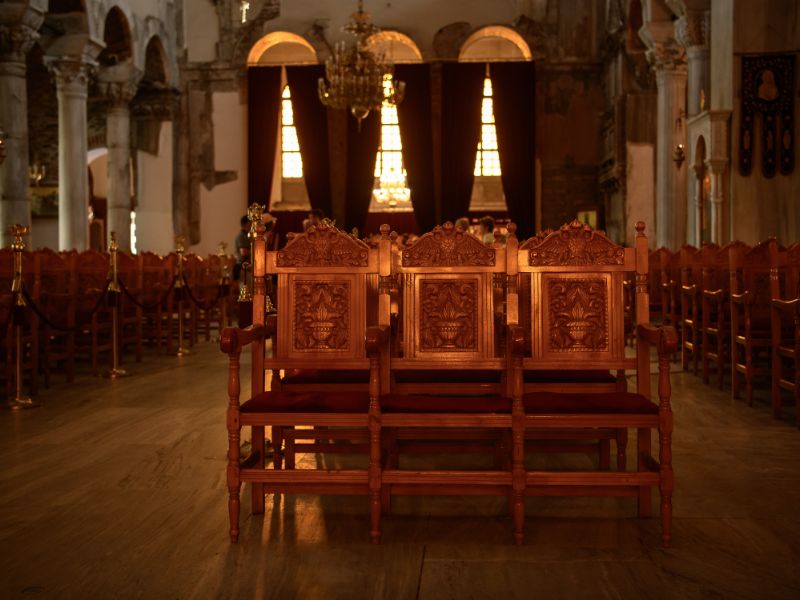
For centuries, the name of Saint Demetrius has been closely connected with Thessaloniki. The saint is widely known as the city’s patron and protector, and his presence has shaped the religious identity of Thessaloniki for generations.
But how did this devotion begin? The cult of Saint Demetrius in Thessaloniki developed gradually during the early centuries of Christianity. Over time, it grew into one of the most important religious traditions of the Byzantine world. Even today, the influence of the saint can still be felt throughout the city.
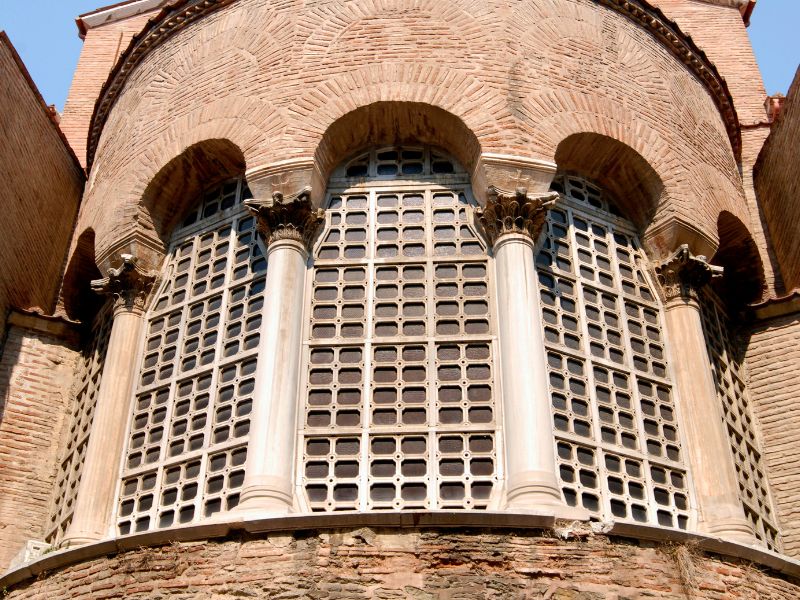
According to Christian tradition, Saint Demetrius lived during the late Roman period. He is believed to have been a Roman officer and a member of a noble family in Thessaloniki. At that time, Christianity was still being persecuted within the Roman Empire.
Demetrius openly declared his faith and is said to have encouraged others to follow the Christian religion. This made him a target of the Roman authorities. Eventually he was imprisoned. Soon after, he was executed during the persecutions associated with the reign of the emperor Galerius in the early 4th century.
His martyrdom quickly became part of local Christian tradition and memory.
Over the centuries, Saint Demetrius came to be regarded as the spiritual protector of Thessaloniki. Stories began to circulate during the Byzantine period describing how the saint miraculously defended the city from invasions and disasters. These accounts strengthened the belief that Thessaloniki enjoyed the protection of its patron saint.
As these traditions spread, devotion to Saint Demetrius in Thessaloniki extended far beyond the city itself. His name became known throughout the Byzantine Empire.
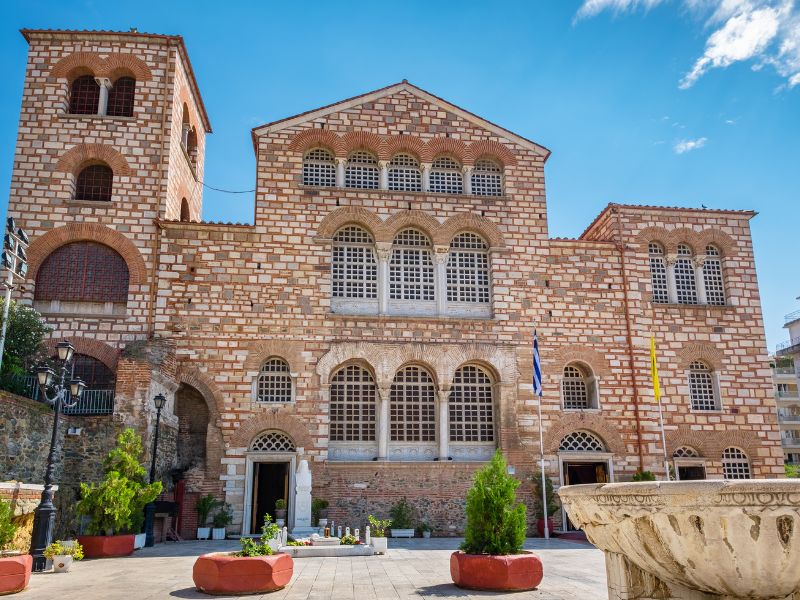
The most important monument associated with the saint is the Church of Saint Demetrius. This large basilica was built on the site where Demetrius was believed to have been imprisoned and executed. Over time the church became one of the most significant religious buildings in the Byzantine world.
Inside the church visitors can still admire elements of Byzantine architecture and remarkable mosaics. Although the structure has been rebuilt several times after fires and other damage, it continues to serve as an important place of pilgrimage. For many visitors, this church represents the spiritual heart of Thessaloniki.
Every year on October 26, Thessaloniki celebrates the feast day of Saint Demetrius. This day is one of the most important religious events in the city. Churches hold special liturgies and ceremonies in honor of the patron saint. At the same time, the celebration is connected with the cultural festival known as the Dimitria.
During this period the city hosts concerts, exhibitions, and cultural events that attract visitors from Greece and abroad. In this way, religious tradition and cultural life come together in a single celebration.
During the Byzantine centuries, the cult of Saint Demetrius spread widely across the empire. Icons representing the saint appeared in churches far beyond Thessaloniki. Stories describing his life and miracles circulated among believers, strengthening his reputation as a powerful protector.
Pilgrims traveled to Thessaloniki to visit the church built in his honor and to seek his blessing. These traditions helped establish the city as one of the most important religious centers of the Byzantine world.
Even today, the presence of Saint Demetrius remains deeply connected with the identity of Thessaloniki. The Church of Saint Demetrius continues to attract visitors and pilgrims from many countries. Each year, the celebrations in October remind residents of the long religious history of the city.
For anyone exploring Thessaloniki, understanding the cult of Saint Demetrius offers valuable insight into the spiritual traditions that shaped the city for centuries. His story remains an essential part of Thessaloniki’s historical and cultural heritage.
We use cookies to improve your experience on our site. By using our site, you consent to cookies.
Manage your cookie preferences below:
Essential cookies enable basic functions and are necessary for the proper function of the website.
Stripe is a payment processing platform that enables businesses to accept online payments securely and efficiently.
Service URL: stripe.com (opens in a new window)
WooCommerce is a customizable eCommerce platform for building online stores using WordPress.
Statistics cookies collect information anonymously. This information helps us understand how visitors use our website.
Google Analytics is a powerful tool that tracks and analyzes website traffic for informed marketing decisions.
Service URL: policies.google.com (opens in a new window)
SourceBuster is used by WooCommerce for order attribution based on user source.
You can find more information in our Privacy Policy and Privacy Policy.