
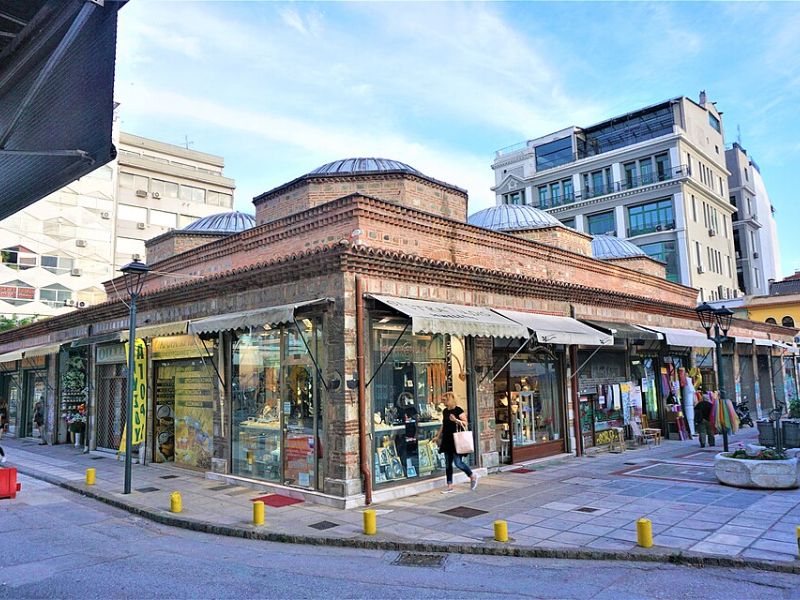
When Thessaloniki fell to the Ottoman Empire in 1430, the city entered a new historical era. For nearly five centuries it remained under Ottoman rule. During that time Thessaloniki slowly developed into one of the most important port cities of the eastern Mediterranean. But the city was not only important because of trade. It was also remarkably diverse.
Greeks, Turks, Jews, Armenians, and merchants from many different regions lived within its walls. Markets were busy, languages mixed in the streets, and the port connected the city with distant parts of the Mediterranean. Even today, visitors walking through Thessaloniki can still notice traces of this multicultural past.
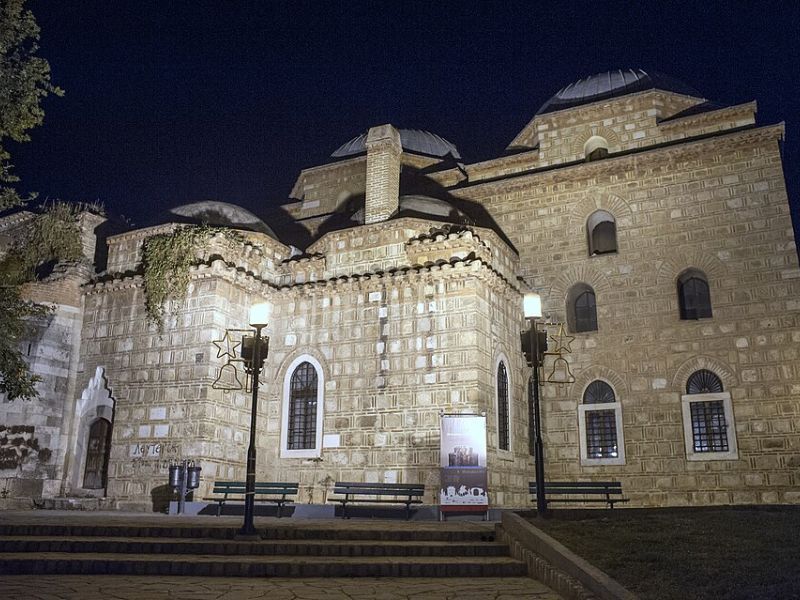
The conquest of Thessaloniki took place in 1430. At the time the Balkans were experiencing a period of political instability. The Ottoman sultan Murad II captured the city and soon integrated it into the administrative structure of the expanding empire.
Why was Thessaloniki so valuable? The answer was simple. Location. The city stood at an important crossroads. Land routes from the Balkan interior met the sea routes of the Aegean and the wider Mediterranean. Because of this position, Thessaloniki quickly regained its role as a commercial center.
One of the most distinctive features of Ottoman Thessaloniki was its population. Muslims, Orthodox Christians, and Jews all formed important communities within the city. Each group maintained its own religious institutions, schools, and neighborhoods.
The result was a city with a remarkable mixture of cultures. Walking through the markets, a visitor might hear several different languages at the same time.
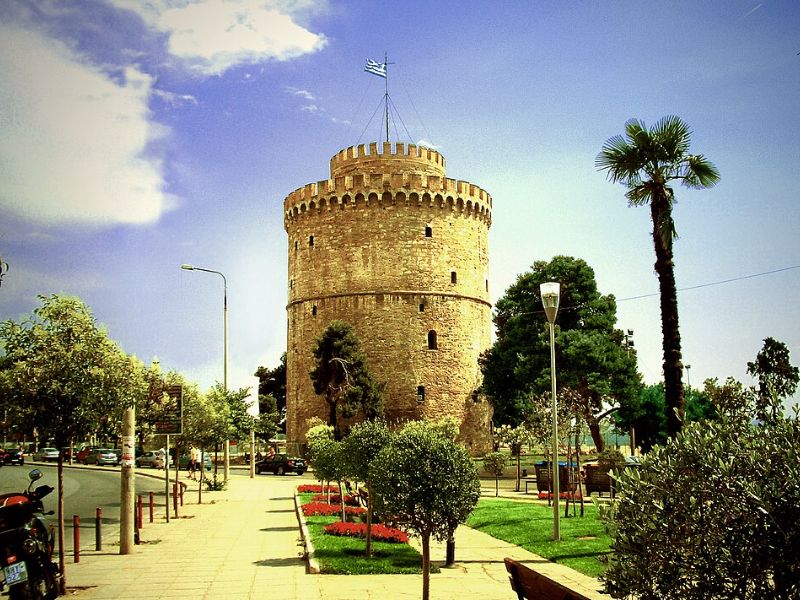
A major turning point came in 1492. That year Jewish communities were expelled from Spain. Many of these Sephardic Jews found refuge in the Ottoman Empire, which welcomed them. Large numbers settled in Thessaloniki.
Their arrival transformed the city. Within a few generations the Jewish community became one of the largest and most influential groups in Thessaloniki. Eventually the city gained a new nickname. The Jerusalem of the Balkans.
The Ottoman centuries also changed the physical landscape of the city. Mosques, bathhouses, markets, and public institutions were built across Thessaloniki. These structures reflected the architectural traditions of the Ottoman world.
Several monuments from that period still survive today.
Among the most well-known are:
They offer a glimpse into the urban life of Ottoman Thessaloniki.
The port remained the economic heart of the city. Ships arrived carrying goods from across the Mediterranean. Agricultural products from the Balkan interior passed through the harbor before reaching international markets.
Trade created opportunity. Merchants, sailors, and travelers constantly moved through the city, strengthening its reputation as a regional commercial hub.
Ottoman rule in Thessaloniki lasted until 1912. During the First Balkan War, Greek forces captured the city and incorporated it into the modern Greek state. This moment marked the end of nearly five centuries of Ottoman administration.
The Ottoman period left a lasting mark on Thessaloniki. Historic markets, monuments, and neighborhoods still reflect the centuries when the city functioned as a multicultural Ottoman port. Understanding this period helps explain how Thessaloniki developed into the diverse and historically layered city that visitors encounter today.
The past is still visible here. If you know where to look.
We use cookies to improve your experience on our site. By using our site, you consent to cookies.
Manage your cookie preferences below:
Essential cookies enable basic functions and are necessary for the proper function of the website.
Stripe is a payment processing platform that enables businesses to accept online payments securely and efficiently.
Service URL: stripe.com (opens in a new window)
WooCommerce is a customizable eCommerce platform for building online stores using WordPress.
Statistics cookies collect information anonymously. This information helps us understand how visitors use our website.
Google Analytics is a powerful tool that tracks and analyzes website traffic for informed marketing decisions.
Service URL: policies.google.com (opens in a new window)
SourceBuster is used by WooCommerce for order attribution based on user source.
You can find more information in our Privacy Policy and Privacy Policy.